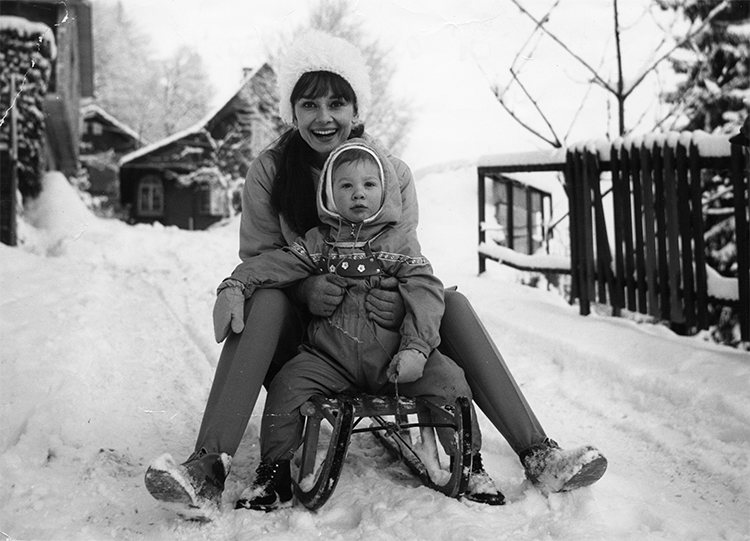
To this day, Audrey Hepburn (1929-1993) remains one of the most beloved film actresses of all time; in the early 1950s, she emerged as one of Hollywood’s premier leading ladies, known for a persona that blended sleek European sophistication with a vulnerable and charming innocence, and a soft sensitivity. The Belgian-born Oscar winner at twenty-four later became a fashion and style icon—also an icon to beauty, elegance and dignity—and as a UNICEF Goodwill Ambassador in the 1980s and 1990s, she personally helped deliver aid to children in such disparate places as Ethiopia, Sudan, Guatemala, Venezuela, and Vietnam.
However, hundreds of millions of people all over the world know and adore her work, and remember her legendary performances in her iconic films. In William Wyler’s “Roman Holiday” (1953), she played a lonely young princess, and while trying to hide her true identity, she finds twenty-four hours of happiness in Rome with an American newspaperman, played by Gregory Peck. In another smash hit, “Sabrina” (1954), directed by Billy Wilder, she was a chauffeur’s daughter who, after recently returning from cooking school, attracts the attentions of the two heirs of the family fortune, played by Humphrey Bogart and William Holden. Later, Wilder made another sparkling romantic comedy with her, “Love in the Afternoon” (1957), co-starring Gary Cooper and Maurice Chevalier as her private-eye dad.
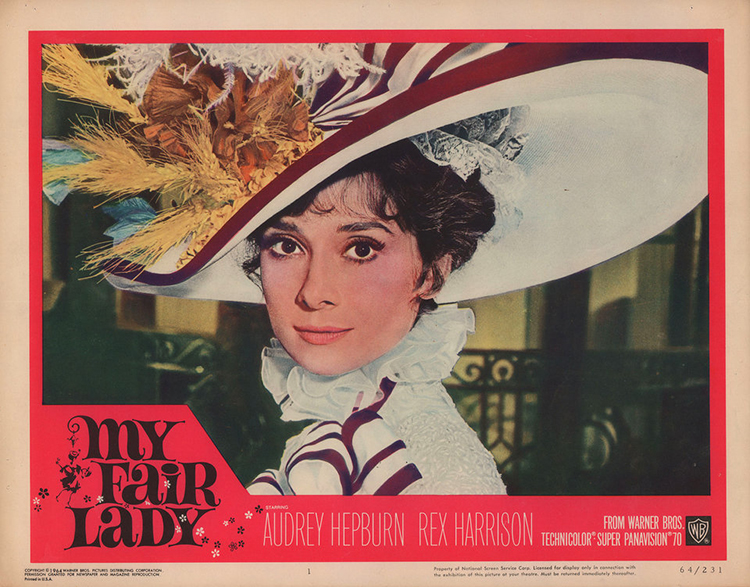
In Stanley Donen’s musical “Funny Face” (1957), she appeared opposite Fred Astaire, and played a bookstore clerk turned high-fashion model, and “My Fair Lady” (1964), directed by George Cukor, featured her as the Cockney flower girl Eliza Doolittle who becomes a sophisticate under the guidance of Professor Higgins, played by Rex Harrison. The film won eight Academy Awards.
But as an actress, her range was much wider, especially as he had outgrown her ingenue image and began playing more sophisticated and worldly characters, like Natasha in “War and Peace” (1956), directed by King Vidor—every established director wanted to work with her—co-starring Henry Fonda and her then-husband, Mel Ferrer, who also directed her opposite Anthony Perkins in “Green Mansions” (1959), set in South America. In Fred Zinnemann’s “The Nun’s Story” (1959), she played the title character; the film tells the true story of Marie Louise Habets (1905-1986), a Belgian nurse and former religious sister who renounces her vows while nursing in the Belgian Congo during World War II, and decides to return to Belgium to work for the Resistance. John Huston directed her in “The Unforgiven” (1960), a Western set in Texas in the 1850s about two families at odds with Indians over Ms. Hepburn’s character, whom the latter claim her as one of theirs.
“The Nun’s Story” (1959, trailer)
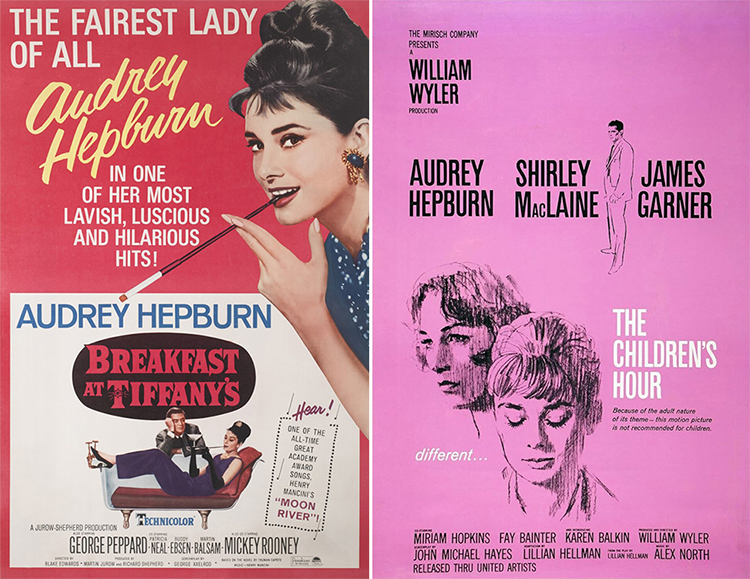
Ms. Hepburn’s most popular and acclaimed screen role was probably Holly Golightly, the Manhattan kooky female gigolo in Blake Edwards’ quirky “Breakfast at Tiffany’s” (1961), based on Truman Capote’s 1958 novella. Several other actresses had been considered for the role of Holly Golightly, including Marilyn Monroe, Kim Novak, and Shirley MacLaine—the latter made William Wyler’s drama “The Children’s Hour” (1961) with Ms. Hepburn, where they play two teachers of a boarding school for girls whose lives are ruined because of a lie. William Wyler also made “How to Steal a Million” (1966) about a million-dollar theft in a Paris art museum, with Ms. Hepburn and Peter O’Toole being a delightful match in this sophisticated heist comedy.
“Breakfast at Tiffany’s” received critical acclaim for Ms. Hepburn’s stylish performance—as she always did—and for Henry Mancini’s musical score and song “Moon River,” sung by Ms. Hepburn. After playing a blind woman terrorized by criminals in Terence Young’s nailbiter “Wait Until Dark” (1967), she retired from the screen, and lived in Switzerland to raise her family. Her eldest son, Sean Hepburn Ferrer, was only a few months old when she made “Breakfast at Tiffany’s.” In 1970, her second child, Luca Dotti, was born when she was married to Italian psychiatrist Andrea Dotti.
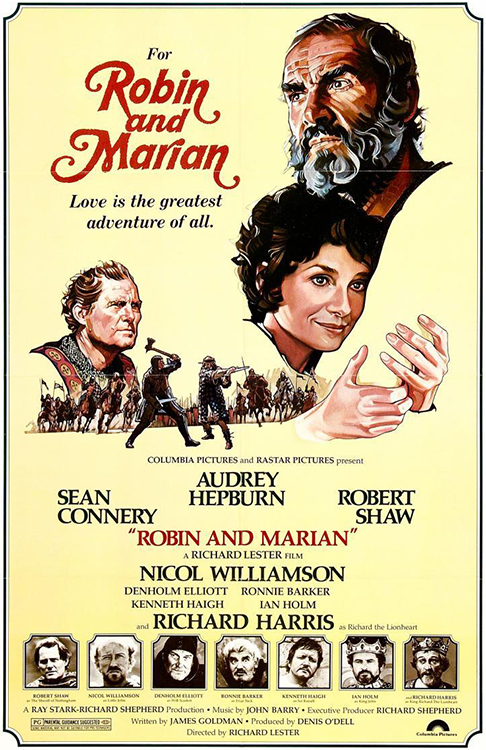 Later, she made four more films, including “Robin and Marian” (1976), playing a middle-aged Maid Marian to Sean Connery’s Robin Hood, and “They All Laughed” (1981), directed by Peter Bogdanovich—with Sean Hepburn Ferrer in a small part. It was a delightful romantic comedy that tells the story of three private detectives investigating two beautiful women for infidelity. Steven Spielberg’s “Always” (1989), a remake of “A Guy Named Joe” (1943), starred Richard Dreyfuss and Holly Hunter; Ms. Hepburn, in her final appearance, played an angel.
After her premature death at 62, Mr. Ferrer became the principal guardian of Audrey Hepburn’s legacy; he devotes most of his time and energy to her body of work, and honors her humanitarian work with various non-profit organizations that bear her name.
This incomplete overview emphasizes only her work as an actress, but her outstanding body of work that basically covers a little more than a decade is so compelling that the members of the American Film Institute rightfully ranked her as the third greatest female screen legend from the Classic Hollywood Cinema (behind Katharine Hepburn and Bette Davis). Ms. Hepburn also belongs to the small group of EGOT winners—EGOT being an acronym for the Emmy, Grammy, Oscar, and Tony Awards, and refers to people who have won all four of the major performing art awards in the United States.
She also won three BAFTA Awards for Best British Actress, two Golden Globes, the Cecil B. DeMille Award, and the 1993 Jean Hersholt Humanitarian Award. The latter was voted by the Academy of Motion Pictures, Arts and Sciences prior to her death, and was presented posthumously. Her son Sean accepted the award at the Oscar ceremony. In 1992, Ms. Hepburn received the U.S. Presidential Medal of Freedom.
But, next all those achievements, superlatives and kudos, who was Audrey Hepburn? What was she—one of the most photographed women in the world—really like? Who was she? We all know that she lived in Tolochenaz, a lakeside village about 10 miles from Lausanne, Switzerland, for many years, and that she gladly put her career on hold after “Wait Until Dark” to be with her family and be a full-time mom. ‘I suppose you could blame me for ending my mother’s career,’ Mr. Ferrer told me during our first interview, conducted in the Helvetia & Bristol Hotel in Florence, Italy, in November 2016.

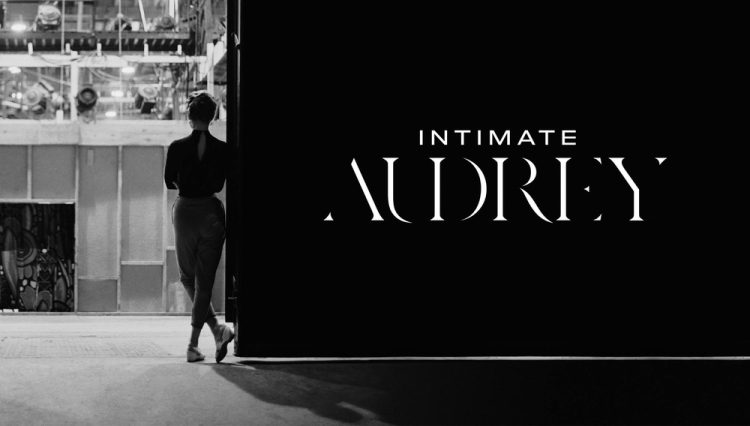
Later we talked again when he launched the “Intimate Audrey” exhibition in Amsterdam in 2019; when he had written the children’s book “Little Audrey’s Daydream: The Life of Audrey Hepburn” (2020); and when he inaugurated The Audrey Hepburn Garden (2022) in Ixelles/Elsene, Belgium, close to her birth house at 48 Rue Keyenveld/Keienveldstraat, where she was born on May 4, 1929.
Fred Zinnemann (1907-1997), who directed her in “The Nun’s Story” (1959), wrote in his 1992 autobiography, ‘I have never seen anyone more disciplined, more gracious or more dedicated to her work than Audrey. There was no ego, no asking for extra favors; there was the greatest consideration for her co-workers.’ Film director Stanley Donen (1924-2019), who made three films with her— “Funny Face” (1957), “Charade” (1963), and “Two for the Road” (1967)—told me in a 1999 interview, ‘I certainly adored her: she was a fabulous and glorious actress. She was really unique. After she had passed away, Billy Wilder, who has always been one of my best friends, said, ‘What Audrey Hepburn had, you couldn’t teach, you couldn’t even learn it. God kissed her on the cheek, and there she was.’’
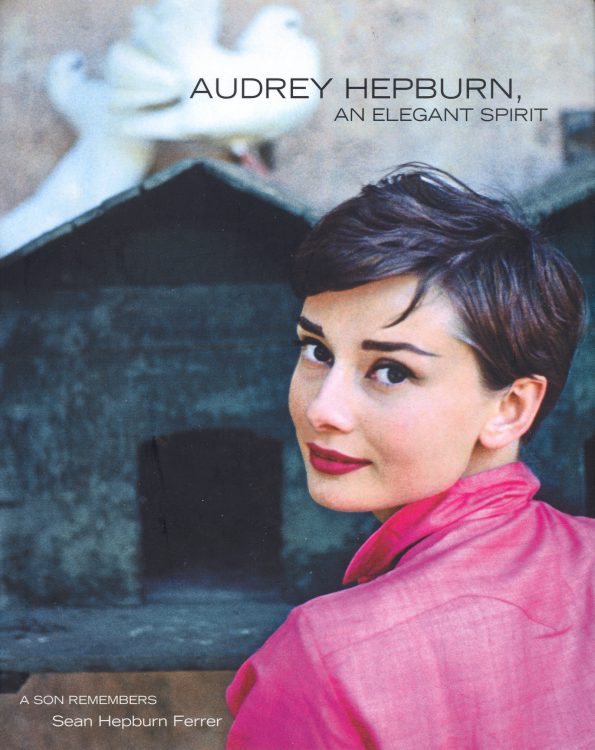
Several Audrey Hepburn biographies have been written since she passed away, and numerous articles on her have seen the light of day. In 2003, Sean Hepburn Ferrer published “Audrey Hepburn, An Elegant Spirit—A Son Remembers.” He wrote in detail about the tragedy of losing a beloved one at a young age. While working in Somalia for UNICEF in 1992, she became ill, and the stomach pain got so bad she could barely stand it. The verdict that followed was devastating. Cancer. Rushed to California, the doctors found the disease to be spreading through her abdomen, and they told him the cancer was inoperable. He went to her hospital room to tell her the bad news. She just looked out of the window and said, ‘How disappointing.’ They took her back home to Switzerland, where she died a few weeks later. Her death was mourned internationally.
Yours truly is more than happy to say that since April 7, “Intimate Audrey: An Authorized Biography,” written by Sean Hepburn Ferrer with Wendy Holden, is out. The book is a warm, personal, and often tender portrait of the actress, icon, and humanitarian, and Mr. Ferrer is an intimate witness whose voice shapes the narrative very accurately. The unpublished family photographs, and all those small gestures of hers give the reader a very good idea of who Ms. Hepburn really was beyond the red-carpet myth.
The first chapter begins in war-torn Somalia, about which she later said, ‘There was no place worse on Earth.’ Mr. Ferrer writes in his book, ‘The Academy Award-winning actress and virtuoso of make-believe could not fake her responses on this, her latest trip. To truly know Audrey Hepburn is to live that experience in what none of us realized were the waning days of her life. It is the key to unlocking her soul.’
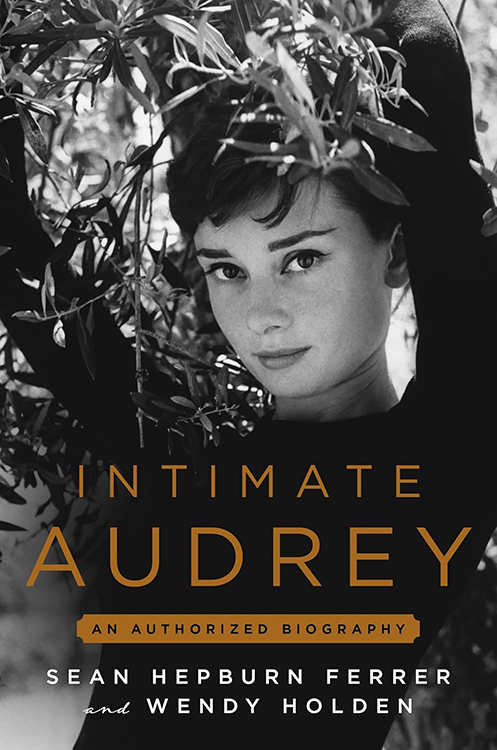
And that’s exactly what “Intimate Audrey: An Authorized Biography” does. It then traces her childhood in the Netherlands, where she faced the physical and psychological toll of World War II; she and her family endured bombing raids and malnutrition due to food shortages. While only in her teens, she performed dance recitals to raise funds for those in hiding, and she carried messages for the Resistance. Mr. Ferrer foregrounds those starvation years and the wartime experience as the pivot of her life, and the motive for her humanitarian work.
The account of her rise to stardom—the ballet training, her stage work on Broadway, to rave reviews, with “Gigi” (1951-52) and “Ondine” (1954), and the Hollywood breakthrough with “Roman Holiday” (1953)—is affectionate and reads like a revelation, very fresh and absorbing. Maybe it’s because, for the first time, it’s not written by an outsider looking in. It reads as if she wrote it herself, although she used to tell him, ‘My life has been terribly boring,’ and she consequently refused to write her own memoir.
Where “Intimate Audrey” truly excels is in domestic portraiture, with her devotion to charitable purpose that exacted personal cost, and how she combined her career with motherhood before she retired from acting. Anecdotes—not only film-related, but also the bedside conversations with her son, or the quiet moments in the garden—are rendered with emotional clarity. The humanitarian chapters, describing her later years with UNICEF, are among the most powerful; these sections underscore the moral core of her life.
“Intimate Audrey: An Authorized Biography” is published in the U.S. by Grand Central Publishing, and in the U.K. by HarperCollinsPublishers. On her website, Mr. Ferrer’s co-author Wendy Holden describes the book as ‘the only official biography of fashion and film icon and humanitarian Audrey Hepburn, with the actress’s personal history, insights from her family about her philosophy of life, and an intimate picture of how she lived outside of the public eye.’ It has been translated into Italian, German, and Spanish; the e-book and audiobook are also available.
In the following online conversation with Mr. Ferrer, who lives in Italy, he talks about how the book came about and, as he always does, he provides a highly interesting behind-the-scenes look with lots of background information on his mother.
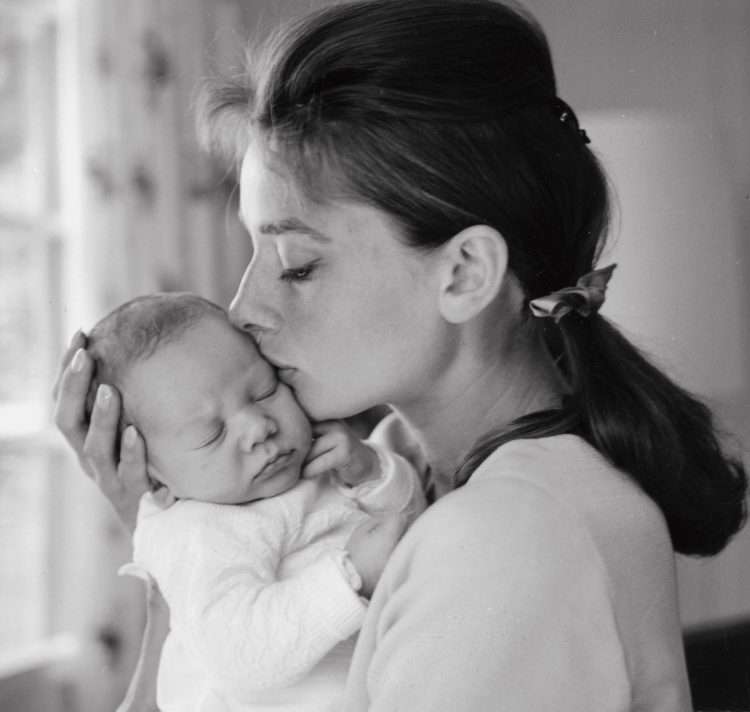
Mr. Ferrer, what was the main reason for you to write “Intimate Audrey: An Authorized Biography”?
Thirty-three years ago, after my mother passed away, I had written thirty pages, which were kind of a love letter about their grandmother to the children I hoped I’d have one day. And those thirty pages ended up on the desk of my friend, Alan Nevins. He was the assistant of a legendary Hollywood literary agent by the name of Swifty Lazar at an agency called Renaissance. He said, ‘Oh, this is great. You need to write a book like that.’ And I said, ‘Well, I’m not sure how you make an evening gown out of a foulard, because thirty pages is not a book.’ So for the next two years, I created what became the book “An Elegant Spirit” [2003]. I was very happy about that; the book sold close to two million copies worldwide and was translated into seventeen different languages, I think.
But I’m not a book writer, and I didn’t really feel the need to write. But every year, Alan would go to the Frankfurt and the London Book Fair, and every year, the distributors would ask, ‘Is there ever going to be an authorized biography, a sort of final word, a history book on Audrey Hepburn?’ In the end, Alan convinced me to consider it, and the first thing I said to him was, ‘Look, I’m not objective because she was my mother. I need someone to filter all this information.’ That’s when he mentioned Wendy Holden. I liked her immediately; first of all, she’s a woman, which made a lot of sense. And secondly, she started her career as a war correspondent. My mother’s life, as a young adult, starts with World War II, and it ends with what she often described as her second and most important career, as a UNICEF ambassador. We all know—today more than ever—that the greatest human tragedies are not caused by nature. Not by a tsunami, or an earthquake, or a famine; they’re caused by man upon man.
In fact, eighty percent of the places my mother visited during her tenure as a UNICEF ambassador were places that had been or were in a war. And so that immediately made sense. On the other hand, my mother also had a normal life; she’d get up early in the morning, have breakfast, go to makeup, be on time on the set; she always knew her lines, and she was nice to the crew. And then she’d go home, have dinner, go to sleep, and start the next day again. There wasn’t much to create tension and drama. So that’s when we started to carefully unfold the main milestones of her personal life. We weren’t going to make a book about her films because everybody knows her films. Everybody has seen them. So that’s not the point.
People just wanted to know who she really was.
Yes, I think people wanted to know who she was because they fell in love with this woman who left this extraordinary legacy: her career as a star, as an actress, and her inner elegance, which is expressed through her collaboration with Hubert de Givenchy and other designers. And finally, through this last chapter, as a humanitarian—and the first female ambassador for UNICEF—that sort of transitions the post-war UNICEF into what it is today.
It has now become an absolute for anyone who’s a celebrity to have something socially relevant or humanitarian to be involved with. And I think she somehow helped start that trend. So we sat down, we started to look at every aspect of her life, and what would be meaningful, not so much to bring new information to the forefront, but the color—to bring a black and white image to life.
My mother is such a legend. She’s a little bit like the balloon that escapes from the birthday party, and she’s going up into the sky, getting smaller and smaller. I wanted to bring her back to earth, give her roots, and remind people that she was a normal person who had a life with the same complications we all have.
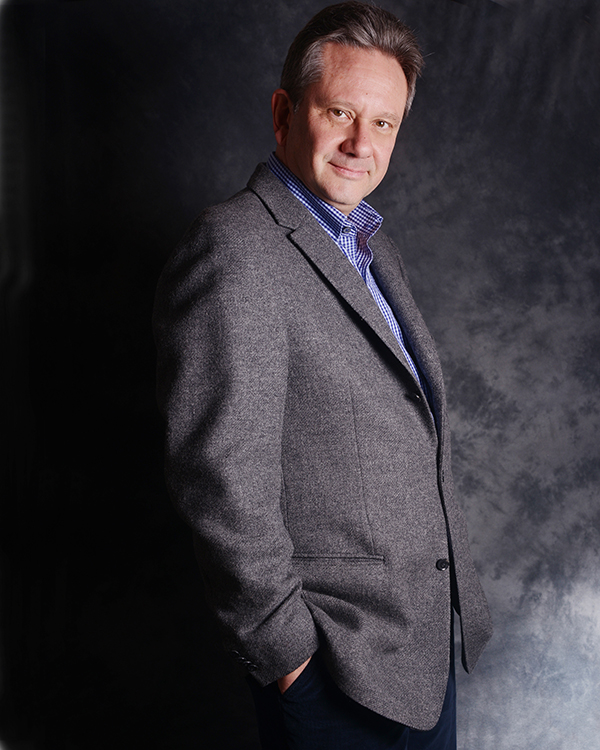
Was it difficult to write about that? Because she was a very private person, wasn’t she?
She was a very private person. I think the hardest one for me was to discuss the indiscretions or infidelities in her second marriage because immediately it came to mind that there’s always this kind of shame, not so much from the person who’s causing it, but from the person who’s the subject, or the one who’s suffering the infidelity. At the same time, that is the reason why I decided to talk about it: if Audrey Hepburn, who is a symbol of kindness, beauty, elegance, love, and inclusiveness, for all the reasons we’ve just described, can suffer infidelity, then it’s open season on every woman and every man.
It has nothing to do with the person who’s the victim of it: it has to do with the person who’s causing it. Infidelity is absurd if you think about it. You say to someone, ‘I love you,’ and yet you go and find some sort of attention elsewhere. Her second husband [Andrea Dotti, married to her from 1969-1982] lost his control; he was a young man, a great stepdad, but not a very good husband, unfortunately. And so I decided to talk about it for that reason. If my mother can suffer it, being everything that she is, then anyone can fall for it.
How did you find this perfect balance when you talked about her private life, her work in films, and her humanitarian work, to make sure the book is comprehensible and straightforward?
The balance is about editing. We worked hard on it, we moved things around, and we built it like a film because it begins with one of the last scenes in her life. And then there’s a flashback. We used video techniques, or film techniques, to color the image, and to fill it out. The other thing I think is—unfortunately for our society—good timing; we’re in a terrible moment now where our democracy is being dismantled in every country with such ease that you wonder if it wasn’t all window dressing to begin with. She would be devastated to see that. She gave her life for the hope of an inclusive society, and we have now spent the last thirty-three years trying to promote and continue her dream.
But if you see what is happening now around the world, that women and children—I think mostly of Palestine—don’t have any kind of protection and priority, it is really devastating. It just so happened that when we were done, we went to the publisher, and the publisher printed the book. And here we are, at this kind of vital time, with something that’s a healthy contrast.
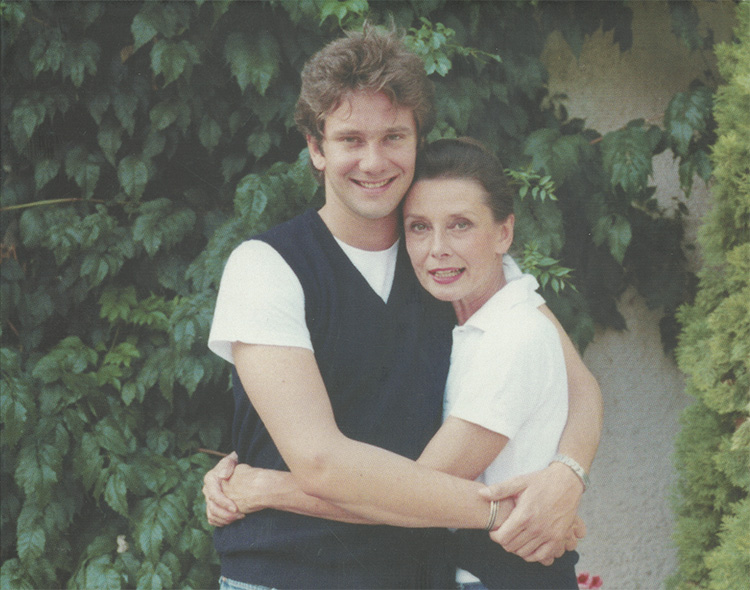
Looking back now, were you able to tell what you wanted to tell, or are there things now that you would like to have included?
Not really. A wonderful philosopher once said that it is the big things that bring us together and the little things that break us apart. And it’s true; we’ve kept the bigger things, the important milestones. But it’s not always bigger in scope. The story about her bringing my friend Bang from Vietnam, she never got any publicity for it or anything like that. But that is a good example of who she was. There was no press, no photographers, and there was nobody to witness it except for me. So she didn’t do it because it was something that was on the list of things to do for UNICEF; she did it because he was a little boy that she knew, and who came for weekends and had sleepovers. She’s talking the talk and walking the walk, as they say; she’s doing it in her personal life, too. And so I think it’s an interesting, valuable example. Sometimes things seem small, but then when you look, and you think about it, if the purpose is confirmation, or a sort of coloring of her life, then I think these little things add up to big points.
That’s right. You mention several little things that are very meaningful, like her great sense of humor, for example, with her mimicking voices, sticking her tongue out, or twisting her body into comic poses, while she was also a very determined woman. When the head of Paramount said after a screening of “Breakfast at Tiffany’s,” ‘And that bloody song [“Moon River”] has to go,’ your mother jumped out of her seat and said, ‘Over my dead body!’
Those are extremes, extremes that paint the picture of a woman with great strength, and I think the greatest proof of her strength is that she was able to shelter, encapsulate, and protect that fragility that was the core of her being throughout her life. She understood that that was an important tool, that it was part of her persona. She defended it, she used it in film, or when she researched and got into the truths of the character she was playing. She didn’t transform herself as Robert De Niro and Marlon Brando and those guys did, but she certainly came as close as she thought was necessary. So it was Audrey Hepburn in that situation who imported the performance into her persona. She protected this fragility throughout her life, which then ends up turning around and biting her when she becomes a UNICEF ambassador, because now she has this loudspeaker that enables her to imagine what people are going through and feeling when she’s in a in a camp with 30,000 refugees who are on the verge of death.
Audrey Hepburn sings “Moon River” in “Breakfast at Tiffany’s” (1961)
I can understand why your mother got along very well with film director Fred Zinnemann. When he won his Academy Award for “From Here to Eternity” [1953], he and his family lived in a small place in Mandeville Canyon, and he drove around in an eleven-year-old car. Not a fancy, flamboyant lifestyle, but very modest and down-to-earth.
I think the industry was much more like that in those days. Alfred Hitchcock was that way, too. Hitch would work in a suit and imagine all of these horrific and terrorizing stories. And yet, at five o’clock, he’d call a wrap and go home in a regular car, and sit with his wife and have dinner. And did they want any parties? No. There were no Ferraris. I remember when I first moved to Los Angeles in the late 1970s; it was a sleepy town. Beverly Hills people kept their doors unlocked. There was very little crime. And it was Beverly Hills, the commercial part of it, south of Santa Monica Boulevard, with the little shops and soda fountains. You could sit in a high chair and have a milkshake. And nothing was over two stories. So it was a place that had adapted to this industry. There wasn’t really the shiny Hollywood we promote today, and the cost and style of living. People lived normal lives, which is why places like Marbella were a success early on.
I remember seeing people like Cary Grant when we first built the house in the early 1960s because it was a similar place. It was a place where actors could go around in shorts and a white shirt. And there was no obligation to be a star or to appear one way or the other. These places became legendary out of normality.
As an adult, you later moved out of Los Angeles. Is it because it had changed so much?
By the time I moved out, my children were young, and my daughter was going to the Crossroads School of Arts & Sciences [in Santa Monica], where children of famous producers went to. Their parents would fly around in private jets on the weekends and leave their kids with nannies and housekeepers. They’d play stupid games because they couldn’t go anywhere. So they’d drink in their parents’ bars. And there was one girl in her classroom who went into a coma.
Then I said to myself, ‘I want my kids to grow up the same way I did, with a normal life.’ At the same time, there was the war in Iraq, that was also something that turned my stomach. That is one of the reasons why I won’t go back to the States now because if I see an ICE guy is beating on a Mexican or Latino lady, I’m going to get involved. And I’m either going to get handcuffed, thrown to the ground, lose a tooth, get shot, or deported. I’m sixty-five years old now, and I don’t want to subject myself or anybody in my family to that.
In your mother’s obituary in the Los Angeles Times, they wrote, ‘When Jackie Kennedy brought high fashion to the White House, it was evident that her style had been influenced by Miss Hepburn.’ Did you know that?
No, but it was the beginning of an era; during the late 1950s and early 1960s, she was in the middle of her career, and she had made this trip to meet designer Hubert de Givenchy. There’s a film being made about that meeting; it’s called “Dinner with Audrey.” But I don’t know about Jackie Kennedy; maybe it was just good timing, I don’t know.
Would you be interested in turning your book into a screenplay?
I’ve done that already. Alan [Nevins] is reading it. It’s a very early draft. But, as I told you, I’m not only not objective from a point of view of content, I also can’t tell if something is good or bad or different anymore. Maybe I should let you read it and give me some pointers.
“Breakfast at Tiffany’s” (1961, trailer)
There’s not only “Dinner with Audrey” coming up, but also the Lily Collins project, about the making of “Breakfast at Tiffany’s.” Can you tell something about that?
I’ve been having chats with Lily Collins; she is a lovely person with a good head on her shoulders. She got the rights to the Sam Wasson book “Fifth Avenue, 5 A.M.: Audrey Hepburn, Breakfast at Tiffany’s and the Dawn of the Modern Woman” [2010]. But it’s a difficult piece. As you well know, films about making films rarely work, maybe except for “The Artist” [2011], which is a masterpiece. Usually, they’re difficult to make.
What makes, in your opinion, “Breakfast at Tiffany’s” such an iconic film?
I always say—and people misinterpret me—“Breakfast at Tiffany’s” is a very simple recipe. It’s like a meringue; they have a few ingredients beautifully whipped together. It’s the how, not so much the what. It’s the way it’s made, the way it’s acted, the way it’s constructed. The themes are very simple. And the reason why they are so simple is, when Marilyn Monroe turned it down, and they offered the part to my mother, she tried to elevate it, to rip it out, sort of the contrary of what I’m doing with this book, which is giving it roots. She uprooted that lovely novella. She really tried to make it about the themes and what those people are going through. And I think that, in part, because she insisted on giving it wings, lifting it up, and making it so thematic, is probably why it’s become such a legendary piece. It’s become, as I always say, le monstre sacré of her career; it’s the reference. It’s the jewel of the crown.
I would be tempted to say that almost every film she made up until 1967 was a unique and major achievement.
Well, there were several other important films she made at the time, like “The Children’s Hour” [1961], which talks about female homosexuality. At the time, that was a taboo. “The Nun’s Story” was very much in line with her own philosophy, and it was a departure of Audrey Hepburn, the gamine, who was doing romantic comedies. But I still love “Funny Face” [1957] because it’s the first musical about fashion ever made, and—as she wanted to be a dancer—she was able to dance with Fred Astaire. So that was very important to her; it was a dream come true. “Love in the Afternoon” [1957] with Gary Cooper is another favorite of mine because it’s the most Lubitschian film that Billy Wilder ever made, and I love Ernst Lubitsch. I love that kind of old-fashioned, European touch. So, each film, like you say, is unique and special, and people are now also starting to say that “Monte Carlo Baby” [1951], or “Nous irons à Monte Carlo,” is underrated.
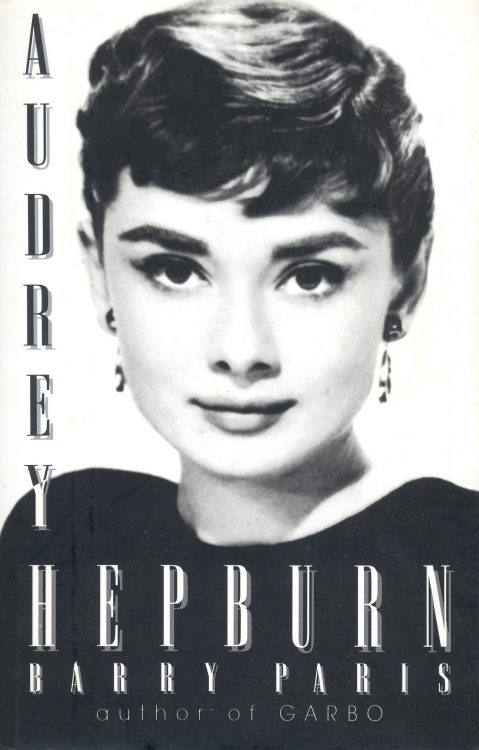
In your book, you don’t talk about all of your mother’s films. Was that by choice?
I didn’t want the book to have too many ingredients because then you start to lose the taste of the original intent. And there have been over a thousand books written about them, including the silly books about all these hats, the magazine covers, and even coffee table books and all of that. Barry Paris wrote a real history book [“Audrey Hepburn,” 2001], and I still believe that it’s the one that was best researched. And it was sort of the companion book to my spiritual biography, “An Elegant Spirit,” at the time. We always used to say to people who were asking, ‘Well, if you really want to know what happened, read Barry’s book.’ And he would say, ‘If you really want to know what she was like on the inside, read Sean’s book.’ But I think now we have something that works in both directions.
The title of your book is “Intimate Audrey,” the same title as the exhibition. In what way are they connected?
I think the brands touch each other in many ways because the exhibition is so up close and personal. I also like the title, and it seems like the right thing to do to become an extension, even though the book should give birth to the exhibition. And the exhibition is an extension, but the exhibition came before the book, so I like the idea of having them both be related.
You also did the audio book for “Intimate Audrey: An Authorized Biography.” What was that like?
I did the audio book with this wonderful actress, Paulie Rojas, with whom I’ve been working now for several years. She does my mother’s voice perfectly. It almost raises the hair in the back of my neck when I hear her talking sometimes.
One of the things your mother gave to her worldwide audience was her body of work, her films. What was the biggest gift she gave you?
To grow up in a home that was free of any ideology. The second gift she gave us, which is maybe more important, is when she was at the top of her game, she stopped her career to become a full-time mom because she wanted a family. She gave us a wonderful piece of her life.
Other than your screenplay, do you have any projects scheduled for the near future?
No, and I try not to make too many plans, so there’s nothing immediate in the future. The “Intimate Audrey” exhibition is in China now for the next few years. It’s been in Shanghai for six months and then went to Guangzhou, and then it’s going to Shenzhen or maybe Macau.
Interview via Google Meet
April 29, 2026
FILMS
NEDERLANDS IN ZEVEN LESSEN, a.k.a. DUTCH IN SEVEN LESSONS (1948) DIR Charles Huguenot van der Linden, Heinz Josephson PROD Charles Huguenot van der Linden, Heinz Josephson, Harold Goodwin, George Julsing, Jack Dudok van Heel SCR Charles Huguenot van der Linden, Heinz Josephson CAM Peter Staugaard, Piet Schrikker ED Rita Roland CAST Sanny Day, Pia Beck, Wam Heskes, Greet Vogels, Koes Koen, Audrey Hepburn (KLM Stewardess), A. Viruly
ONE WILD OAT (1951) DIR Charles Saunders PROD John Croydon SCR Vernon Sylvaine, Lawrence Huntingdon (play by Vernon Sylvaine) CAM Robert Navarro ED Margery Saunders MUS Stanley Black CAST Robert Hare, Stanley Holloway, Vera Pearce, Andrew Crawford, Irene Handl, June Sylvaine, Constance Lorne, Audrey Hepburn (Hotel Receptionist), Roger Moore
LAUGHTER IN PARADISE (1951) DIR – PROD Mario Zampi SCR Jack Davies, Michael Pertwee (story by Jack Davies, Michael Pertwee) CAM William McLeod ED Guilio Zampi MUS Stanley Black CAST Fay Compton, George Cole, Alastair Sim, John Laurie, Joyce Grenfell, Beatrice Campbell, Guy Middleton, Hugh Griffith, Audrey Hepburn (Cigarette Girl), Sebastian Cabot
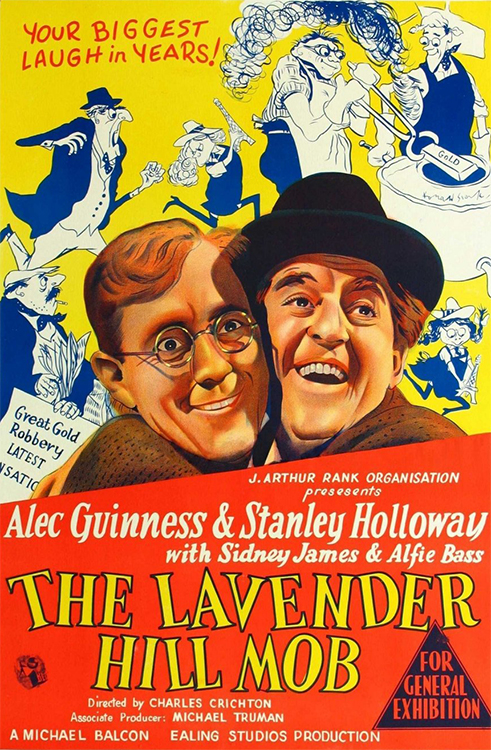 THE LAVENDER HILL MOB (1951) DIR Charles Crichton PROD Michael Balcon SCR T.E.B. Clarke CAM Douglas Slocombe ED Seth Holt MUS Georges Auric CAST Alec Guinness, Stanley Holloway, Sidney James, Alfie Bass, Marjorie Fielding, Edie Martin, Audrey Hepburn (Chiquita), Robert Shaw
YOUNG WIVES’ TALE (1951) DIR Henry Cass PROD Victor Skutezky SCR Anne Burnaby (play by Ronald Jeans) CAM Erwin Hillier ED Edward B. Jarvis MUS Philip Green CAST Joan Greenwood, Nigel Patrick, Derek Farr, Guy Middleton, Athene Seyler, Helen Cherry, Audrey Hepburn (Eve Lester), Irene Handl
SECRET PEOPLE (1952) DIR Thorold Dickinson PROD Sidney Cole SCR Thorold Dickinson, Wolfgang Wilhelm (story by Thorold Dickinson) CAM Gordon Dines ED Peter Tanner MUS Roberto Gerhard CAST Valentina Cortese, Serge Reggiani, Charles Goldner, Audrey Hepburn (Nora), Angela Fouldes, Megs Jenkins, Irene Worth, Bob Monkhouse
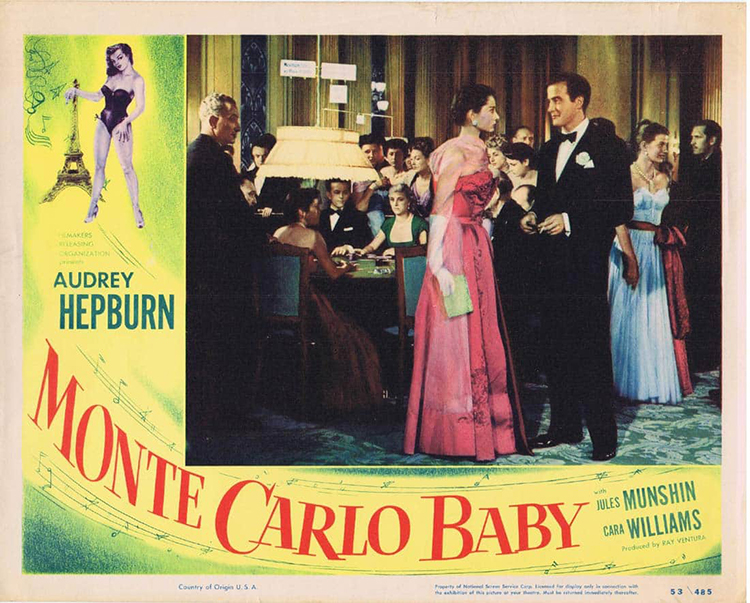
MONTE CARLO BABY, a.k.a. NOUS IRONS TOUS À MONTE CARLO (1952) DIR Jean Boyer, Jean Jerrold PROD Ray Ventura SCR Jean Boyer, Alex Joffé, Jean Jerrold, Serge Véber CAM Charles Suin ED Fanchette Mazin MUS Paul Misraki CAST Ray Ventura, Henri Génès, Georges Lannes, Philippe Lemaire, Danielle Godet, John Van Dreelen, Audrey Hepburn (Linda Farrell / Melissa Farrell), Marcel Dalio, Suzanne Guémard, André Dalibert
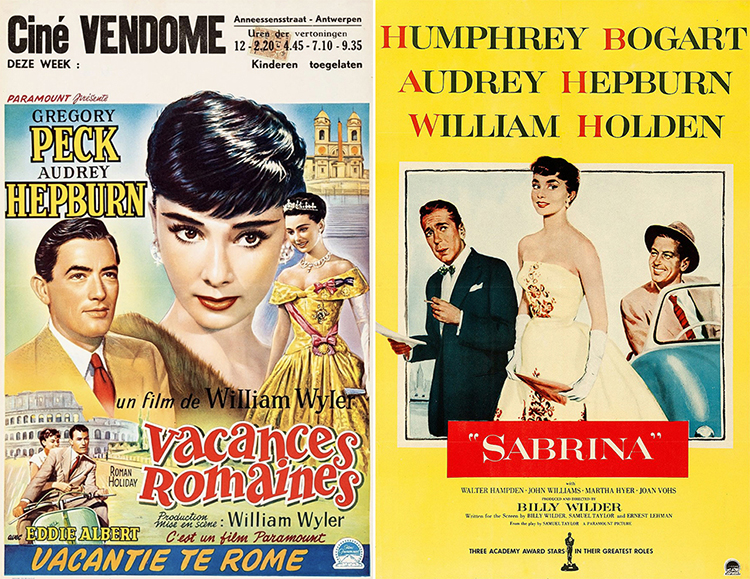
ROMAN HOLIDAY (1953) DIR – PROD William Wyler SCR Dalton Trumbo, John Dighton, Ian McLellan Hunter CAM Frank F. Planer, Henri Alekan ED Robert Swink MUS Georges Auric CAST Gregory Peck, Audrey Hepburn (Princess Ann), Eddie Albert, Hartley Power, Harcourt Williams, Margaret Rawlings, Tullio Carminati
SABRINA (1954) DIR – PROD Billy Wilder SCR Billy Wilder, Samuel A. Taylor, Ernest Lehman (play by Samuel A. Taylor) CAM Charles Lang Jr. ED Arthur P. Schmidt MUS Frederick Hollander CAST Humphrey Bogart, Audrey Hepburn (Sabrina Fairchild), William Holden, Walter Hampden, John Williams, Martha Hyer, Joan Vohs, Marcel Dalio, Frances X. Bushman, Marion Ross
WAR AND PEACE (1956) DIR King Vidor PROD Dino De Laurentiis SCR Mario Soldati, Gian Gaspare Napolitano (adaptation by King Vidor, Mario Camerini, Bridget Boland, Ivo Perilli, Robert Westerby, Ennio De Concini; novel by Leo Tolstoy) CAM Jack Cardiff ED Leo Cattozzo MUS Nino Rota CAST Audrey Hepburn (Natasha Rostova), Henry Fonda, Mel Ferrer, Vittorio Gassman, Herbert Lom, Oskar Homolka, Anita Ekberg, Helmut Dantine, John Mills
FUNNY FACE (1957) DIR Stanley Donen PROD Roger Edens SCR Leonard Gershe CAM Ray June ED Frank Bracht MUS George Gershwin, Ira Gershwin, Leonard Gershe, Roger Edens CAST Audrey Hepburn (Jo Stockton), Fred Astaire, Kay Thompson, Michel Auclair, Robert Flemyng, Dovima, Suzy Parker, Sunny Harnett
LOVE IN THE AFTERNOON (1957) DIR – PROD Billy Wilder SCR Billy Wilder, I.A.L. Diamond (novel ‘Ariane’ by Claude Anet) CAM William C. Mellor ED Leonid Azar MUS Franz Waxman CAST Gary Cooper, Audrey Hepburn (Ariane Chavasse), Maurice Chevalier, John McGiver, Van Doude, Lise Bourdin, Olga Valéry, Franz Waxman, Louis Jourdan (narration)
GREEN MANSIONS (1959) DIR Mel Ferrer PROD Edmund Grainger SCR Dorothy Kingsley (novel by William Henry Hudson) CAM Joseph Ruttenberg ED Ferris Webster MUS Bronislau Kaper CAST Audrey Hepburn (Rima), Anthony Perkins, Lee J. Cobb, Sessue Hayakawa, Henry Silva, Nehemiah Persoff
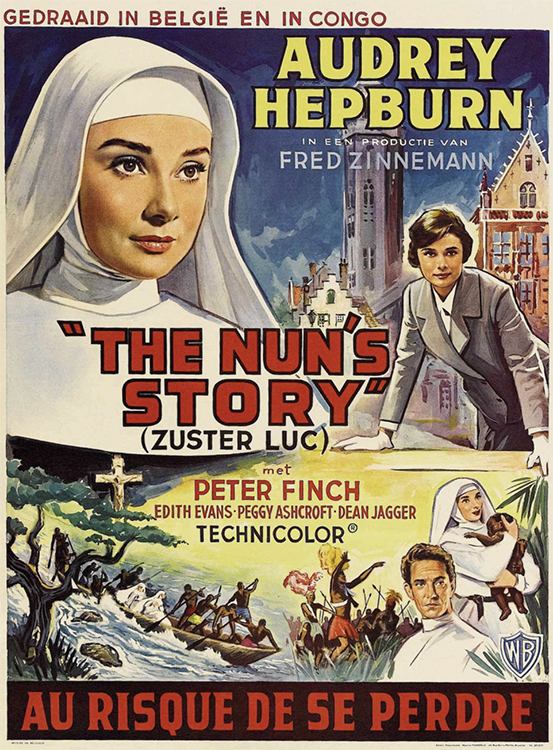
THE NUN’S STORY (1959) DIR Fred Zinnemann PROD Henry Blanke, Fred Zinnemann [uncredited] SCR Robert Anderson (book by Kathryn C. Hulme) CAM Franz F. Planer MUS Franz Waxman ED Walter Thompson CAST Audrey Hepburn (Gabrielle van der Mal [Sister Luke]), Peter Finch, Dame Edith Evans, Dame Peggy Ashcroft, Dean Jagger, Mildred Dunnock, Beatrice Straight, Colleen Dewhurst
THE UNFORGIVEN (1960) DIR John Huston PROD James Hill SCR Ben Maddow (novel by Alan LeMay) CAM Franz F. Planer ED Russell Lloyd MUS Dimitri Tiomkin CAST Burt Lancaster, Audrey Hepburn (Rachel Zachary), Audie Murphy, John Saxon, Charles Bickford, Lillian Gish, Albert Salmi
BREAKFAST AT TIFFANY’S (1961) DIR Blake Edwards PROD Martin Jurow, Richard Shepherd SCR George Axelrod (novel by Truman Capote) CAM Franz F. Planer ED Howard A. Smith MUS Henry Mancini CAST Audrey Hepburn (Holly Golightly), George Peppard, Patricia Neal, Buddy Ebsen, Martin Balsam, John McGiver, Mickey Rooney
THE CHILDREN’S HOUR (1961) DIR – PROD William Wyler SCR John Michael Hayes (play by Lillian Hellman) CAM Franz F. Planer ED Robert Swink MUS Alex North CAST Audrey Hepburn (Karen Wright), Shirley MacLaine, James Garner, Miriam Hopkins, Fay Bainter, Karen Balkin, Veronica Cartwright
CHARADE (1963) DIR – PROD Stanley Donen SCR Peter Stone (story by Peter Stone, Marc Behm) CAM Charles Lang Jr. ED James Clark MUS Henry Mancini CAST Cary Grant, Audrey Hepburn (Regina Lampert), Walter Matthau, James Coburn, George Kennedy, Dominique Minot, Ned Glass, Stanley Donen, Mel Ferrer, Peter Stone
PARIS WHEN IT SIZZLES (1964) DIR Richard Quine PROD George Axelrod SCR George Axelrod (story ‘La fête à Henriette’ by Julien Duvivier, Henri Jeanson) CAM Charles Lang Jr., Claude Renoir ED Archie Marshek MUS Nelson Riddle CAST William Holden, Audrey Hepburn (Gabrielle Simpson / Gaby), Grégoire Aslan, Raymond Duvaleix, Michel Thomas, Noël Coward, Tony Curtis, Mel Ferrer
MY FAIR LADY (1964) DIR George Cukor PROD Jack L. Warner SCR Alan Jay Lerner (book by Alan Jay Lerner; play by George Bernard Shaw) CAM Harry Stardling Sr. ED William H. Ziegler MUS André Previn CAST Audrey Hepburn (Eliza Doolittle), Rex Harrison, Stanley Holloway, Wilfrid Hyde-White, Gladys Cooper, Jeremy Brett, Theodore Bikel, Mona Washbourne, Betty Blythe
HOW TO STEAL A MILLION (1966) DIR William Wyler PROD Fred Kohlmar SCR Harry Kurnitz (story by George Bradshaw) CAM Charles Lang ED Robert Swink MUS Johnny Williams CAST Audrey Hepburn (Nicole), Peter O’Toole, Eli Wallach, Hugh Griffith, Charles Boyer, Fernand Gravey, Marcel Dalio, Jacques Marin
TWO FOR THE ROAD (1967) DIR – PROD Stanley Donen SCR Frederic Raphael CAM Christopher Challis ED Richard Marden, Madelèine Gug MUS Henry Mancini CAST Audrey Hepburn (Joanna Wallace), Albert Finney, William Daniels, Eleanor Bron, Claude Dauphin, Nadia Grey, George Descrieres, Gabrielle Middleton, Jacqueline Bisset, Judy Cornwell
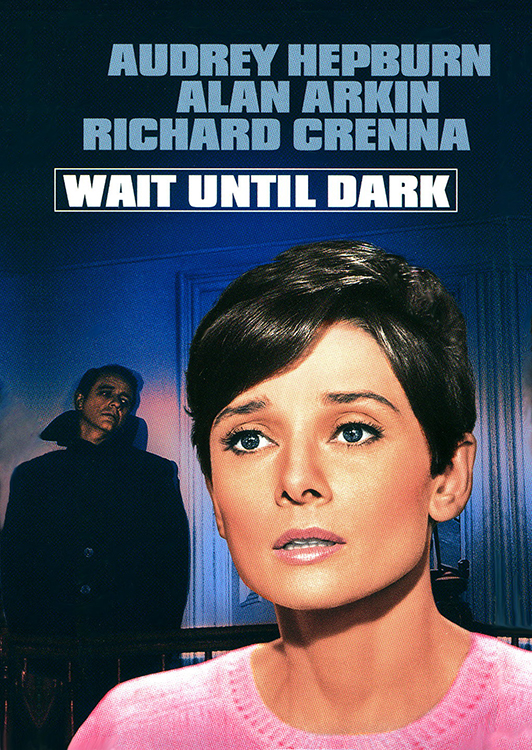 WAIT UNTIL DARK (1967) DIR Terence Young PROD Mel Ferrer SCR Richard Carrington, Jane-Howard Carrington (play by Frederick Knott) CAM Charles Lang ED Gene Milford MUS Henry Mancini CAST Audrey Hepburn (Susy Hendrix), Alan Arkin, Richard Crenna, Efrem Zimbalist Jr., Jack Weston, Robby Benson, Mel Ferrer
ROBIN AND MARIAN (1976) DIR Richard Lester PROD Denis O’Dell SCR James Goldman CAM David Watkin ED John Victor Smith MUS John Barry CAST Sean Connery, Audrey Hepburn (Maid Marian), Robert Shaw, Richard Harris, Nicol Williamson, Denholm Elliott, Ian Holm
BLOODLINE (1979) DIR Terence Young PROD Sidney Beckerman, David V. Picker SCR Laird Koenig (novel by Sidney Sheldon) CAM Freddie Young ED Bud Molin MUS Ennio Morricone CAST Audrey Hepburn (Elizabeth Roffe), Ben Gazzara, James Mason, Romy Schneider, Omar Sharif, Claudia Mori, Irene Papas, Michelle Philips, Maurice Ronet, Gert Fröbe, Gabrielle Ferzetti
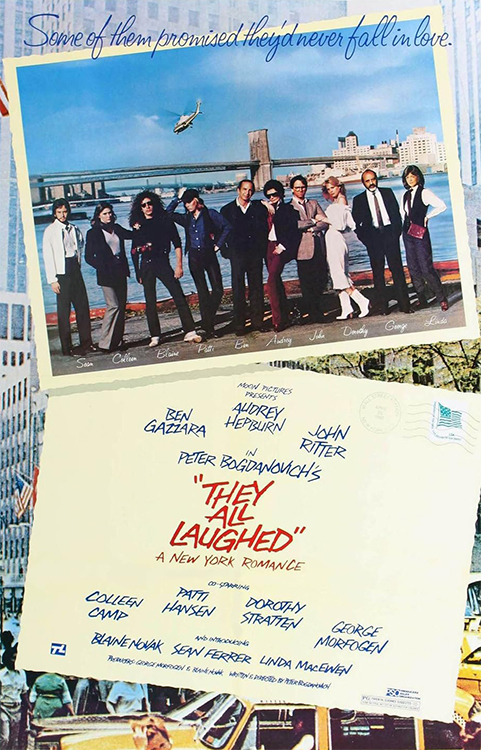 THEY ALL LAUGHED (1981) DIR Peter Bogdanovich PROD Blaine Novak, George Morfogen SCR Peter Bogdanovich, Blaine Novak CAM Robby Müller ED Scott Vickrey, William C. Carruth CAST Audrey Hepburn (Angela Niotes), Ben Gazzara, John Ritter, Dorothy Stratten, Patti Hansen, Blaine Novak, Sean Hepburn Ferrer, Glenn Scarpelli, Antonia Bogdanovich, Alexandra Bogdanovich, Elizabeth Peña, Peter Bogdanovich
ALWAYS (1989) DIR Steven Spielberg PROD Steven Spielberg, Frank Marshall, Kathleen Kennedy SCR Dalton Trumbo, Jerry Belson, Frederick Hazlitt Brennan (story ‘A Guy Named Joe’ by Chandler Sprague, David Boehm) CAM Mikael Salomon ED Michael Kahn MUS John Williams CAST Richard Dreyfuss, Holly Hunter, John Goodman, Brad Johnson, Audrey Hepburn (Hap), Roberts Blossom, Keith David, Marg Helgenberger
TV MOVIES
SAUCE TARTARE (1949) DIR Audrey Cameron PROD Walton Anderson SCR Matt Brooks MUS Allan Gray CAST Jessie Matthews, Claude Hulbert, Renee Houston, Muriel Smith, Jack Melford, Joan Heal, Audrey Hepburn, Jean Bayless
MAYERLING (1957) DIR Anatole Litvak PROD Fred Coe CAST Audrey Hepburn (Maria Vetsera), Mel Ferrer, Raymond Massey, Diana Wynyard
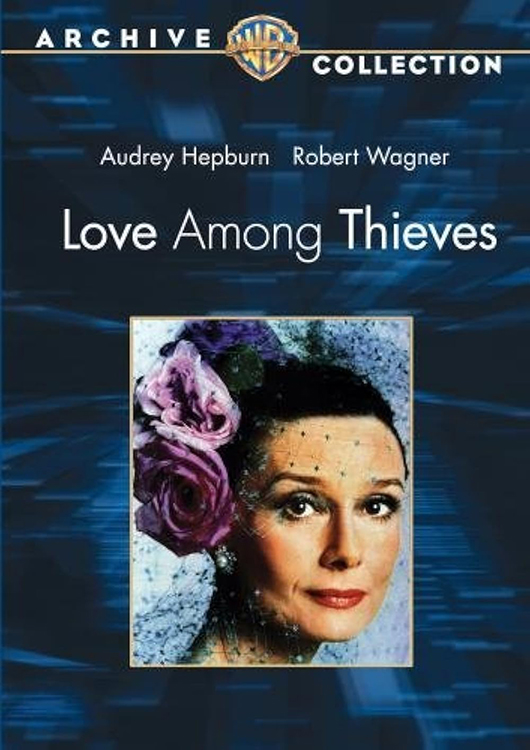 LOVE AMONG THIEVES (1987) DIR Roger Young PROD Robert A. Papzian SCR Stephen Black, Henry Stern CAM Gayne Rescher ED James Mitchell MUS Arthur B. Rubinstein CAST Audrey Hepburn (Baroness Caroline DuLac), Robert Wagner, Patrick Bauchau, Jerry Orbach, Brion James, Samantha Eggar, Christopher Neame
TV SERIES
BBC NIGHT THEATRE (1951) DIR William Templeton CAST (episode ‘The Silent Village’) Becket Bould, Peter Bull, Andrew Cruickshank, Audrey Hepburn (Celia), Anthony Ireland, Glyn Lawson, Joyce Redman, Jack Watling
CBS TELEVISION WORKSHOP: RAINY DAY IN PARADISE JUNCTION(1952) CAST Audrey Hepburn, Paul Langton, Carmen Matthew
DOCUMENTARIES
A WORLD OF LOVE (1971, UNICEF documentary special) PROD Alexander Cohen HOSTS Bill Cosby, Audrey Hepburn, Shirley MacLaine, Richard Burton, Julie Andrews, Barbra Streisand, Harry Belafonte
GARDENS OF THE WORLD, PARTS I-VI (1993) DIR Bruce Fanchini PROD Janis Blacksleger HOST Audrey Hepburn; Michael York (narration)


You must be logged in to post a comment.